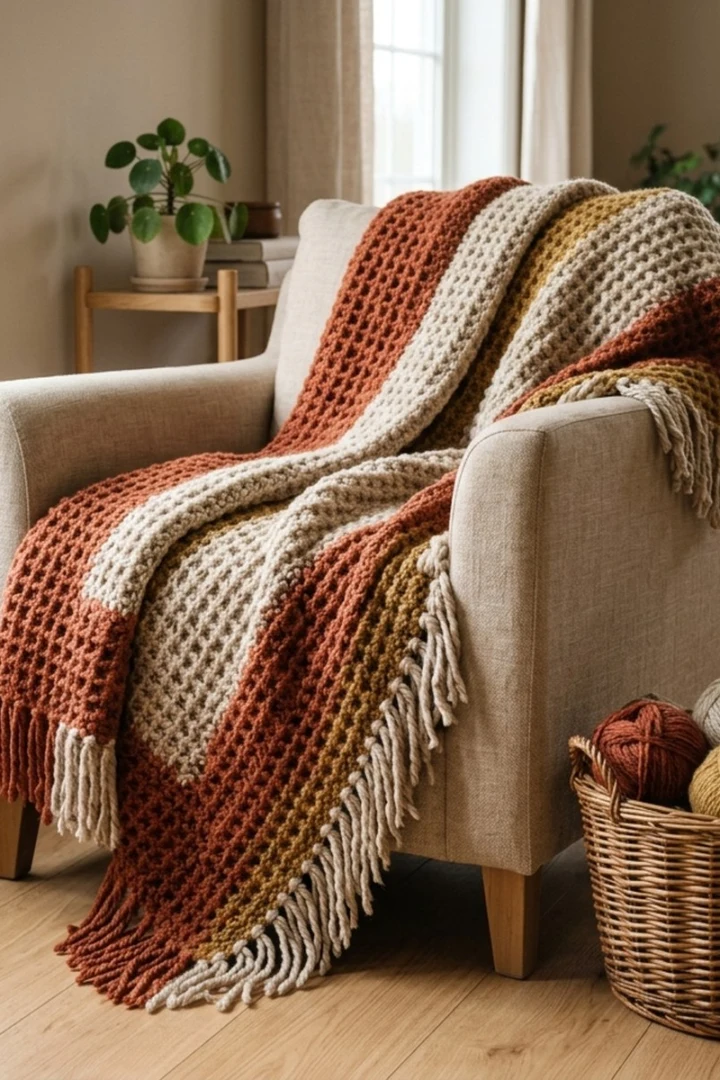
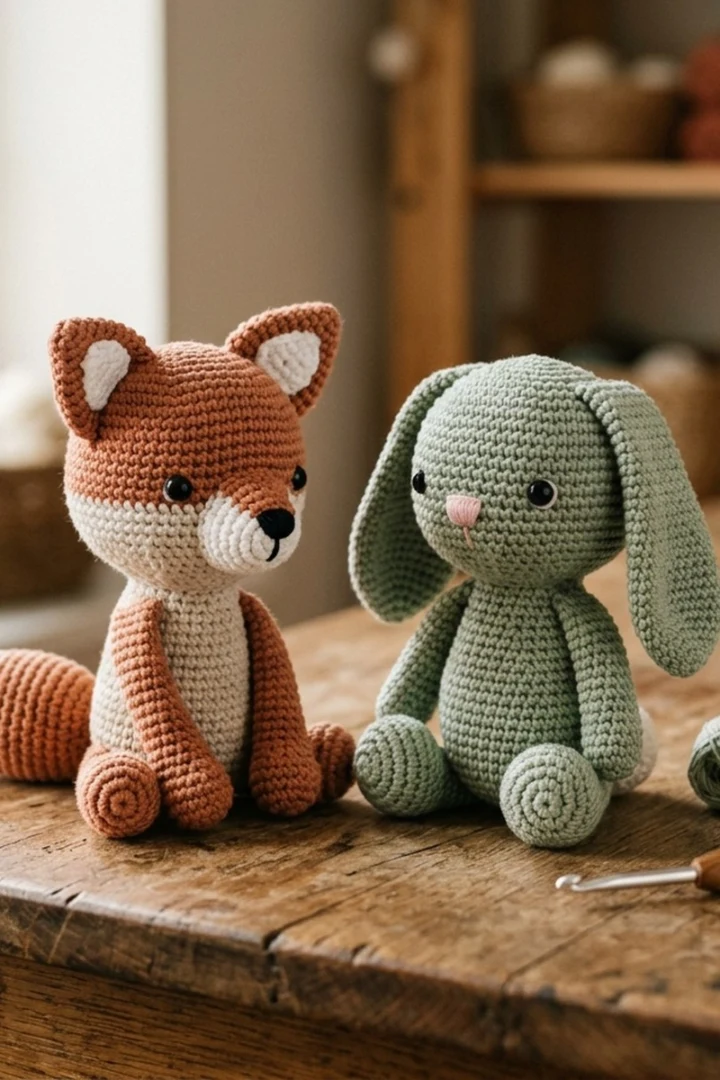
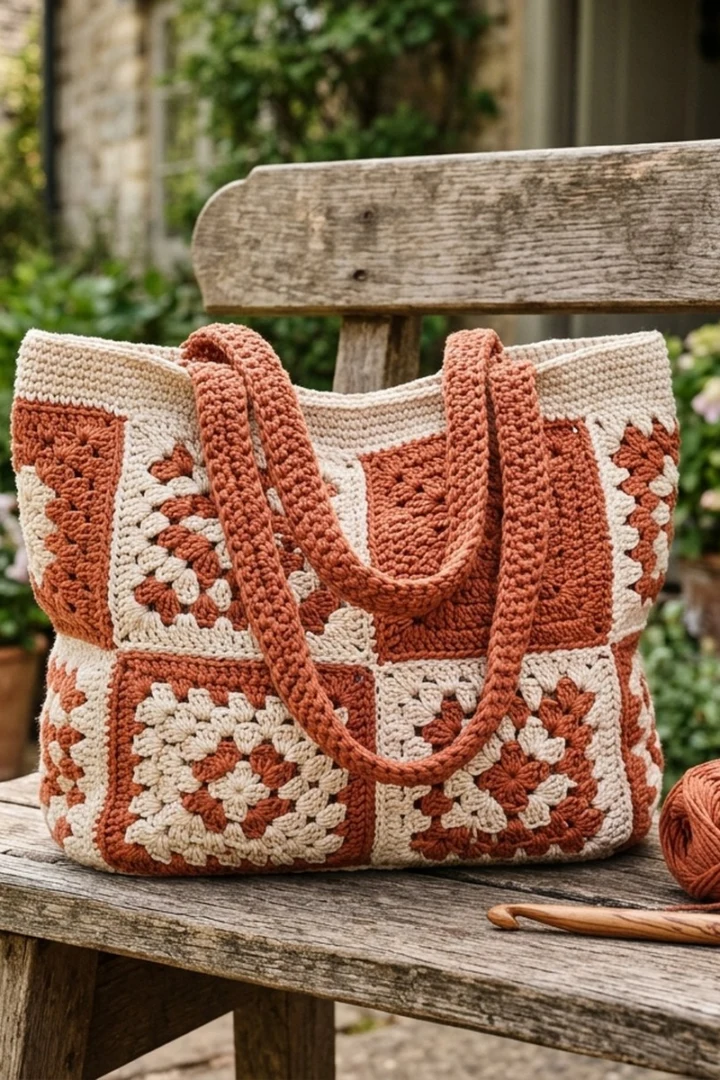
Reader Favorites
Browse by category
Latest patterns
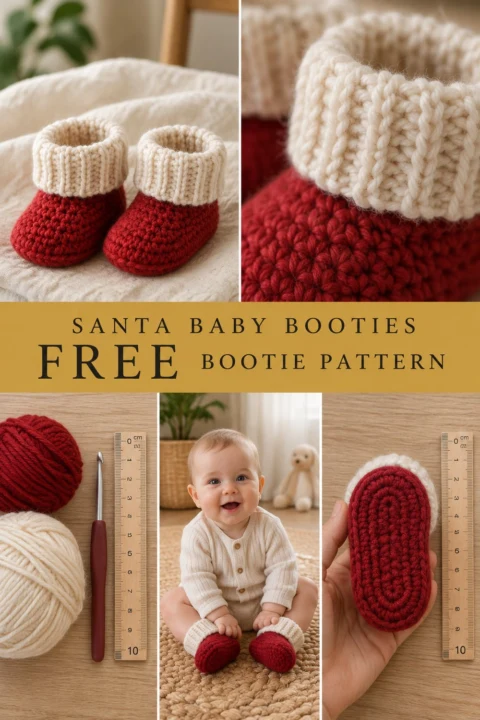
Tiny Santa Crochet Baby Booties Free Christmas Pattern
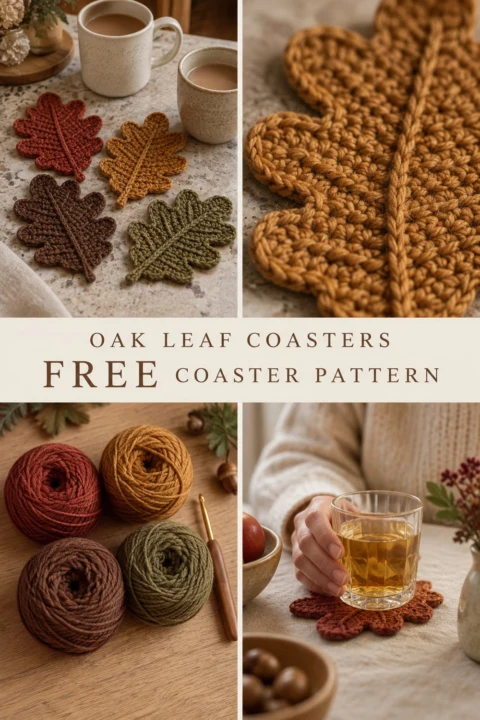
Fallen Oak Leaf Crochet Coaster Set Free Thanksgiving Pattern
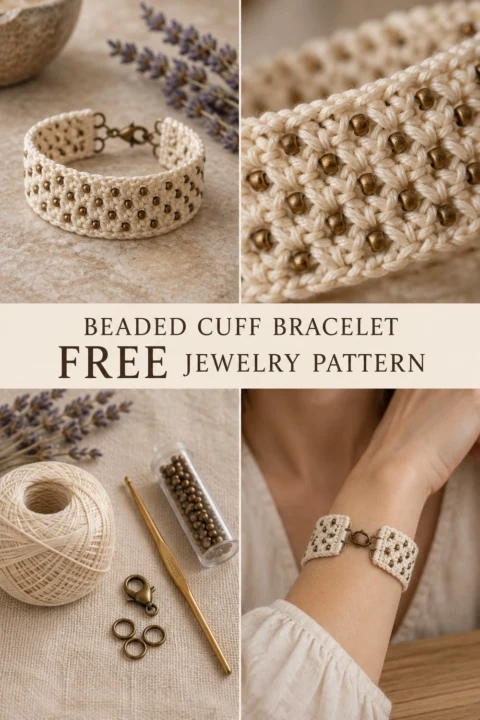
Beaded Thread Crochet Cuff Bracelet Free Crochet Pattern
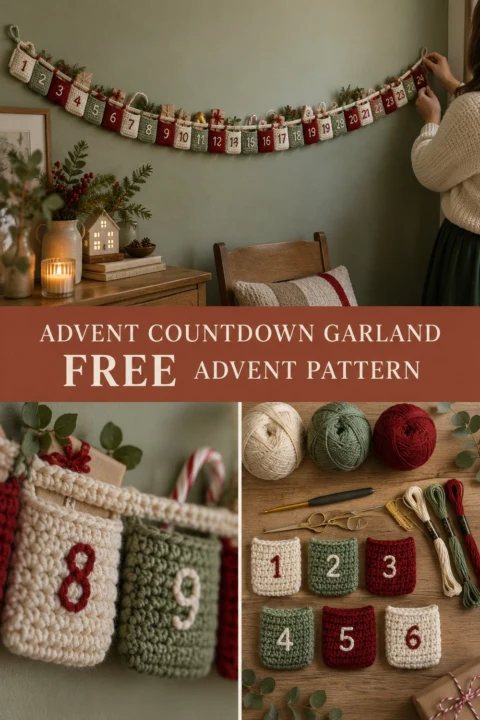
Pocket Advent Crochet Countdown Garland Free Christmas Pattern
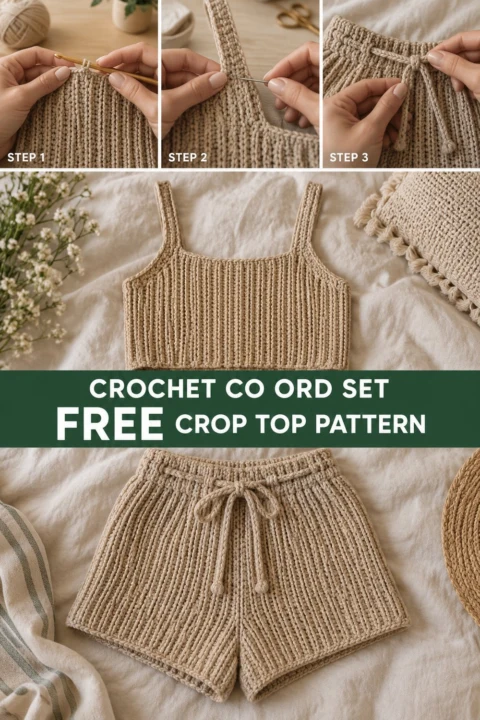
Matching Ribbed Crochet Crop Top And Shorts Free Crochet Pattern
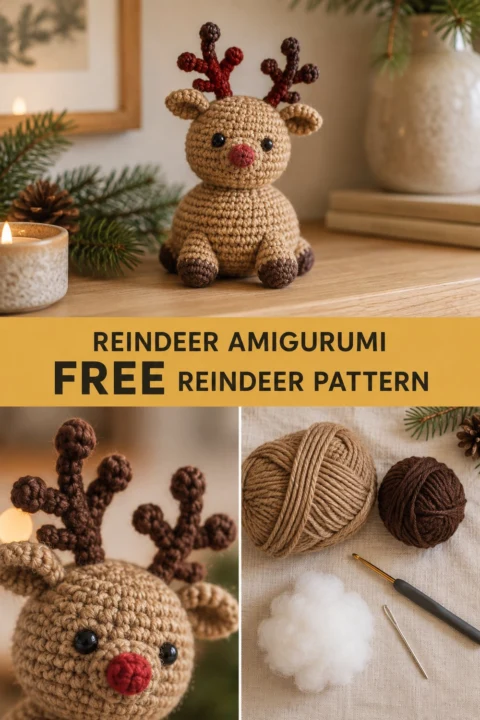
Jolly Reindeer Crochet Shelf Sitter Free Christmas Pattern
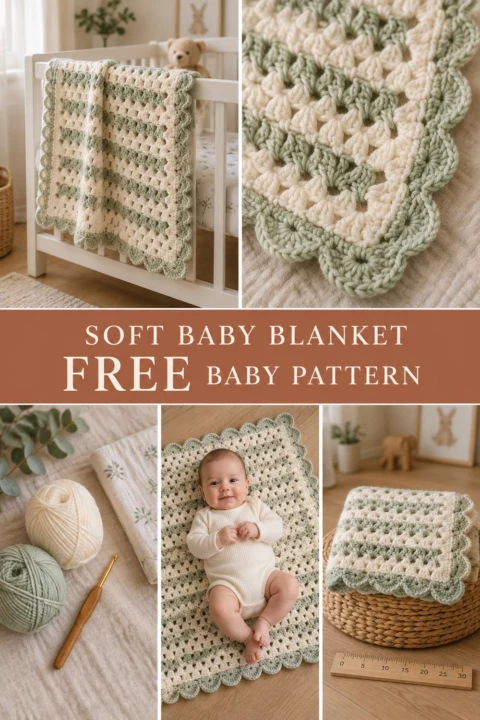
Cloud Soft Crochet Baby Blanket Free Crochet Pattern
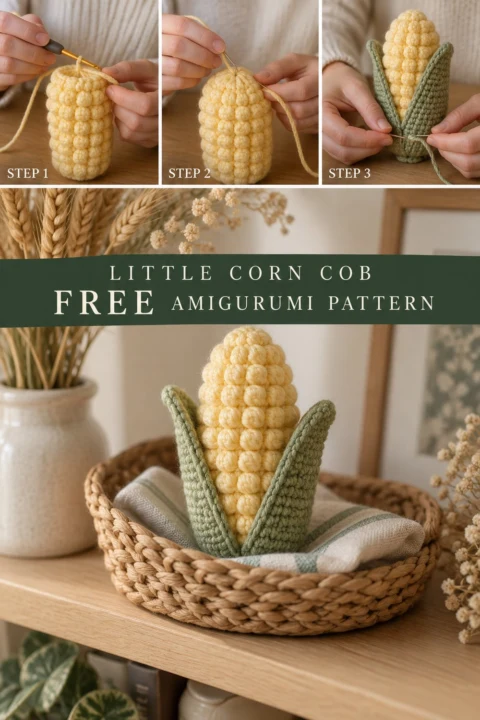
Little Corn Cob Crochet Shelf Sitter Free Thanksgiving Pattern
Holiday
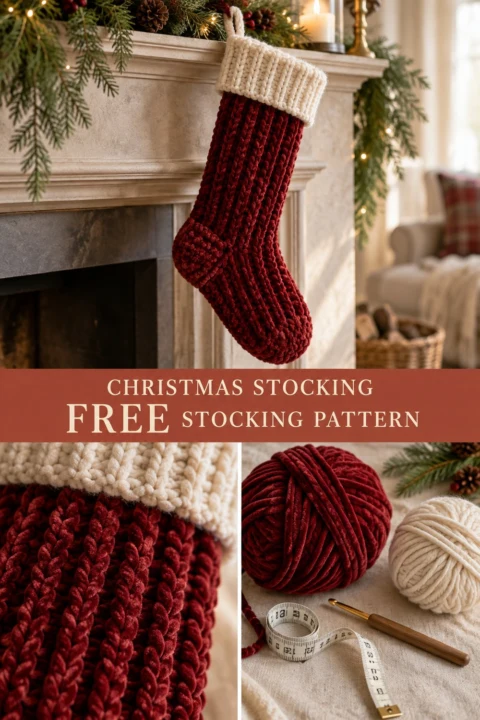
See all 11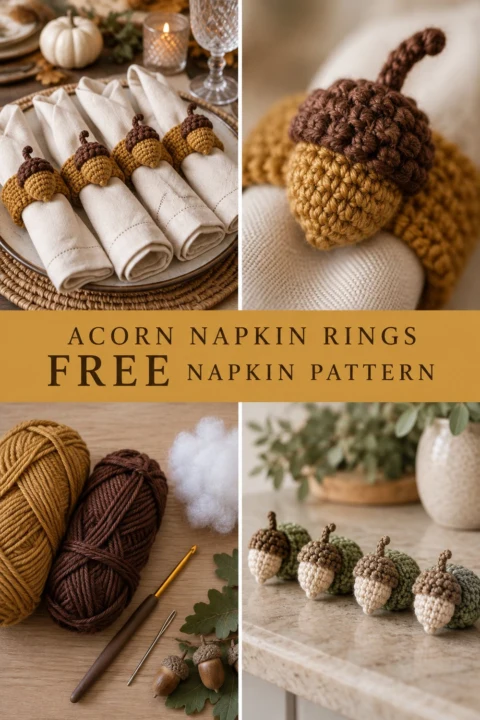
About the blog
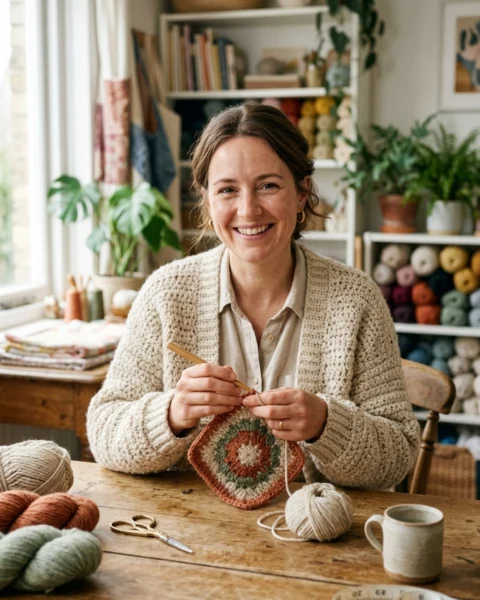
Hi, I’m Clara.
I write the patterns on this site, test them with a few friends before they go up, and keep every one of them free to read. They’re all in US terms with the hook size, yarn weight and gauge listed at the top.
New to crochet? Start with the stitch guides. Stuck on a row? Send me a note.
More about meQuestions readers ask
Are all crochet patterns on Hook & Hearth completely free to read?
Yes. Every pattern on Hook & Hearth is published in full directly on the page at no cost—with no mandatory account sign-up, locked rows, or subscription walls. Each tutorial includes a complete materials table, exact yarn weight and yardage/meterage requirements, recommended hook sizes in both millimeters and US letter grades, gauge swatch measurements, stitch abbreviations, and row-by-row or round-by-round written instructions.
Do your patterns use US or UK crochet terminology?
All patterns on Hook & Hearth are written in standard US crochet terminology. If you are accustomed to UK terminology, the conversion is straightforward: a US single crochet (sc) equals a UK double crochet (dc); a US half double crochet (hdc) equals a UK half treble (htr); a US double crochet (dc) equals a UK treble (tr); and a US treble (tr) equals a UK double treble (dtr). Slip stitch (sl st) and chain (ch) mean the exact same thing in both systems.
Which crochet patterns do you recommend for an absolute beginner?
If you are just learning to hold a hook and maintain even yarn tension, start with flat, unshaped projects worked in medium worsted-weight (#4) yarn and a 5.0 mm (H-8) or 5.5 mm (I-9) hook. We recommend beginning with our foundational tutorials in Crochet Tips & Stitch Guides, then making a cozy washcloth, a simple throw from Blanket Patterns, or a sturdy two-square market bag from Bag Patterns before moving on to shaped garments.
How do I substitute a different yarn brand without changing the finished size?
To substitute yarn reliably, match three details from the pattern’s materials box: first, the Craft Yarn Council (CYC) weight category (such as #3 DK or #4 Worsted); second, the fiber family (plant fibers like cotton and linen have zero memory and crisp drape, whereas wool and acrylic bounce back and trap warmth); and third, the 4×4 inch (10×10 cm) blocked gauge swatch. When crocheting wearables from Tops Patterns, always work a gauge swatch first and go up or down by 0.5 mm in hook size if your stitch count differs.
What yarn and eye details are safest for crochet baby blankets and amigurumi?
For newborns, infants, and toddlers under age three, safety and washability come first. In our Baby Patterns and Amigurumi Patterns, we strongly advise embroidering sleepy eyes and noses using smooth mercerized cotton thread rather than attaching snap-in plastic safety eyes, which can pose a choking hazard if chewed loose. Choose OEKO-TEX certified combed cotton, bamboo-cotton blends, or anti-pilling baby acrylic that can handle gentle machine washing.
Can I sell finished handmade items I crochet from your patterns?
Yes, warmly! Independent makers and cottage crafters are welcome to sell physical items they crochet by hand using Hook & Hearth patterns at local craft markets, boutiques, or online shops like Etsy. All we ask is that you use your own photographs of your finished work and include a brief design credit linking back to Hook & Hearth (ftoursm.com). Mass production and redistributing or reselling the written pattern text or photos themselves are not permitted.
How can I print a pattern or save a clean copy for my project bag?
Every pattern page features a "Print Pattern" button right underneath the title and byline, and our stylesheet includes dedicated print formatting (`@media print`) that automatically strips away site navigation, sidebars, and footer clutter. You can either print directly onto paper to mark off rows with a pencil or choose "Save as PDF" in your browser’s print dialog to keep an offline copy on your tablet or phone.
What should I do if my stitch count is off or my edges are curling?
Uneven edges or drifting stitch counts almost always happen at the first and last stitch of a row—usually by accidentally working into the base of a turning chain that does not count as a stitch, or skipping the top of a turning chain that does. Clip a locking stitch marker into the very first and very last stitch of every row until your muscle memory takes over. If a specific row in one of our patterns ever confuses you, send us the pattern title and row number via our Contact & Pattern Help page and Clara or Elena will walk you through it.